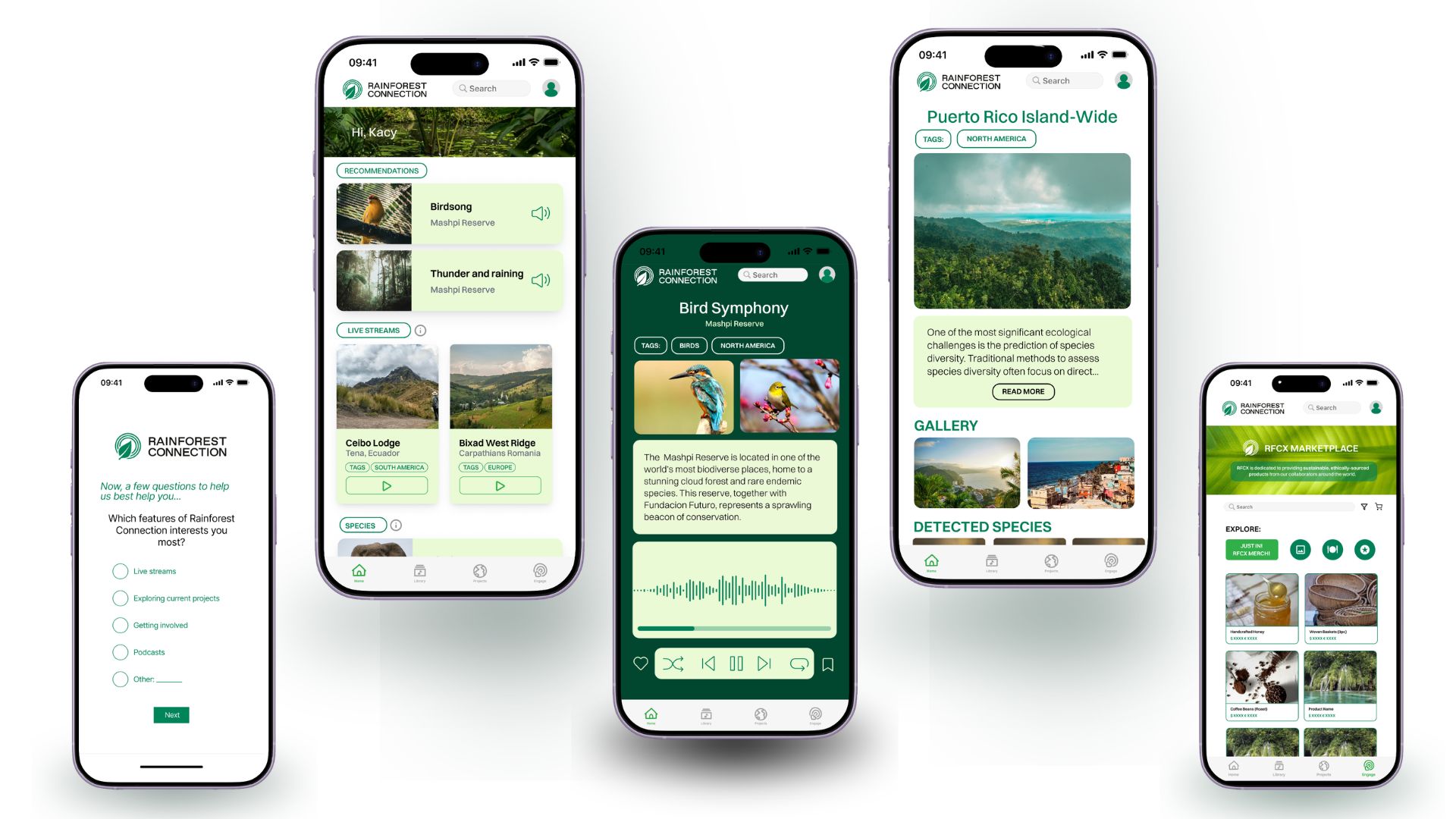
Rainforest Connection wanted their mobile app to reflect the depth of their work in the field: the story, the science, and the communities they support, not just the technology behind it. When our team began, the vision was still taking shape, and different stakeholders imagined the product in different ways. My role was to help translate that ambition into a clear direction the whole team could design toward together.
Context
Rainforest Connection runs acoustic listening networks so threatened places get heard before they disappear. They are a nonprofit with serious science behind them and partners who live next to the forests they protect.
Their existing app gave people a beautiful entry point: live audio from the rainforest canopy. That idea resonated immediately. But in practice, streams were unreliable, the experience stopped at listening, and users often left without a deeper understanding of why RFCx's work matters or how they might stay involved.
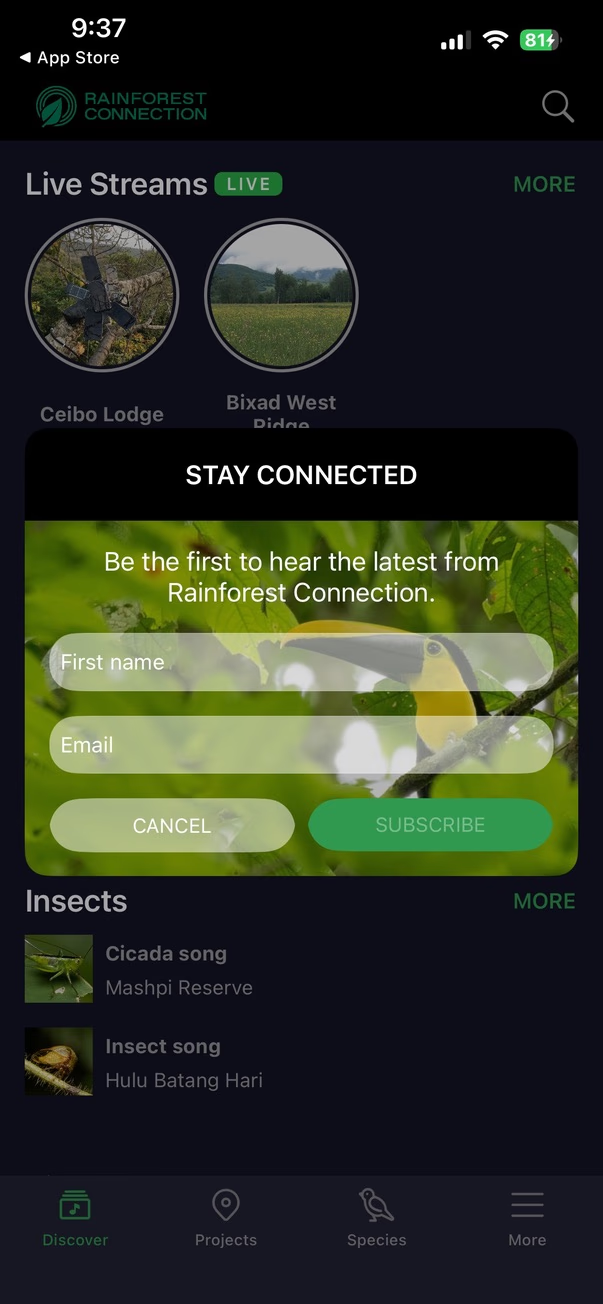
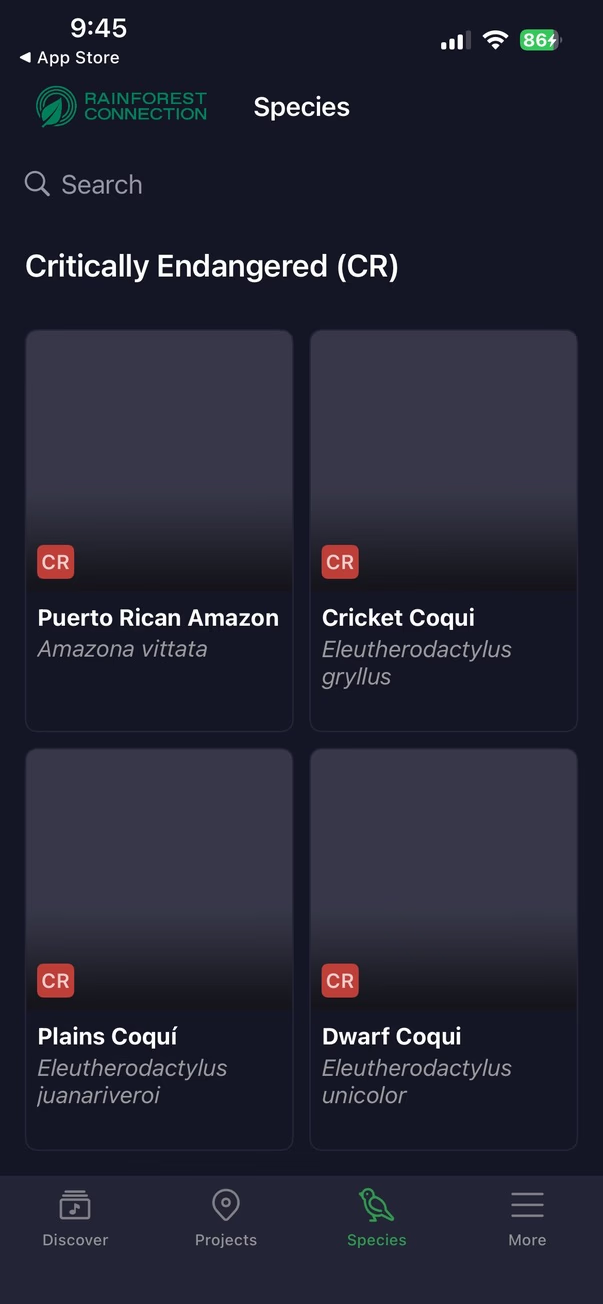
Problem
There was no crisp product brief waiting on a slide deck. Stakeholders each carried a different mental model of where this app should go next, and inside RFCx the scope kept shifting because the North Star hadn't been fully defined yet.
On top of those strategic questions, the product itself was struggling to keep up with how expansive RFCx's work really is. Early conversations with the CMO and technical team helped me see that polish alone wouldn't solve the core issue. We needed clarity about what this app was for, and why someone would want to keep it on their phone beyond a single listening session.
How might we turn a fragile listening tool into a platform that connects people to RFCx's mission through discovery, learning, and real ways to engage?
Constraints
Product
- Android first, because that is where most users actually are
- Low bandwidth and uneven connectivity in the geographies RFCx cares about
- Offline and low-signal moments that needed to feel honest, not like they were hiding the truth
Research
We were working on a semester timeline, so traditional field research wasn't realistic for this phase. Instead of treating that as something to work around quietly, I built our understanding through conversations with RFCx staff and partners, secondary research, and ongoing alignment about what we could responsibly represent on screen.
What showed up in the UI
Those realities shaped the interface directly: layouts that stay calm when the network drops, loading states that tell the truth about what's happening, and flows simple enough to follow without a manual.
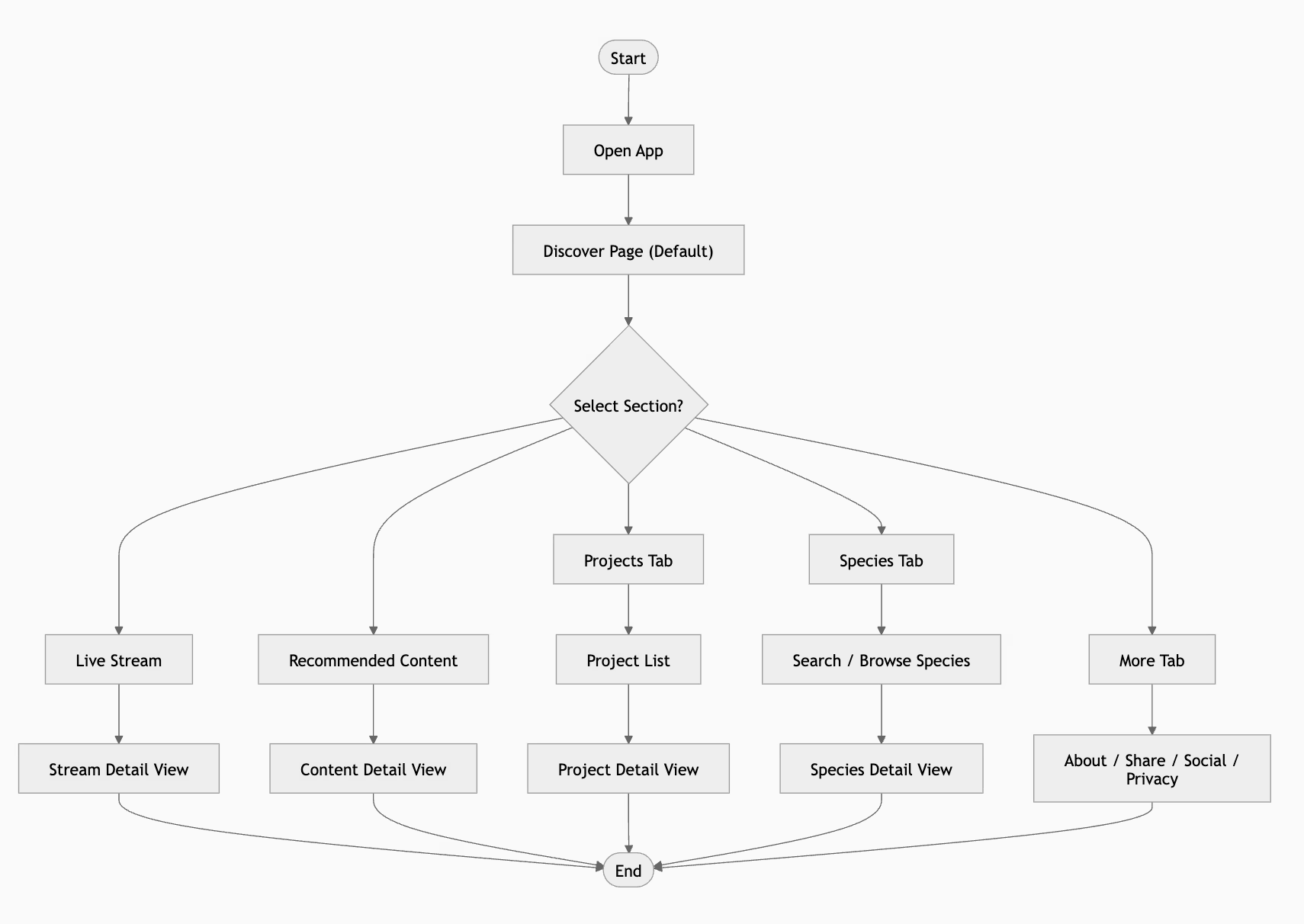
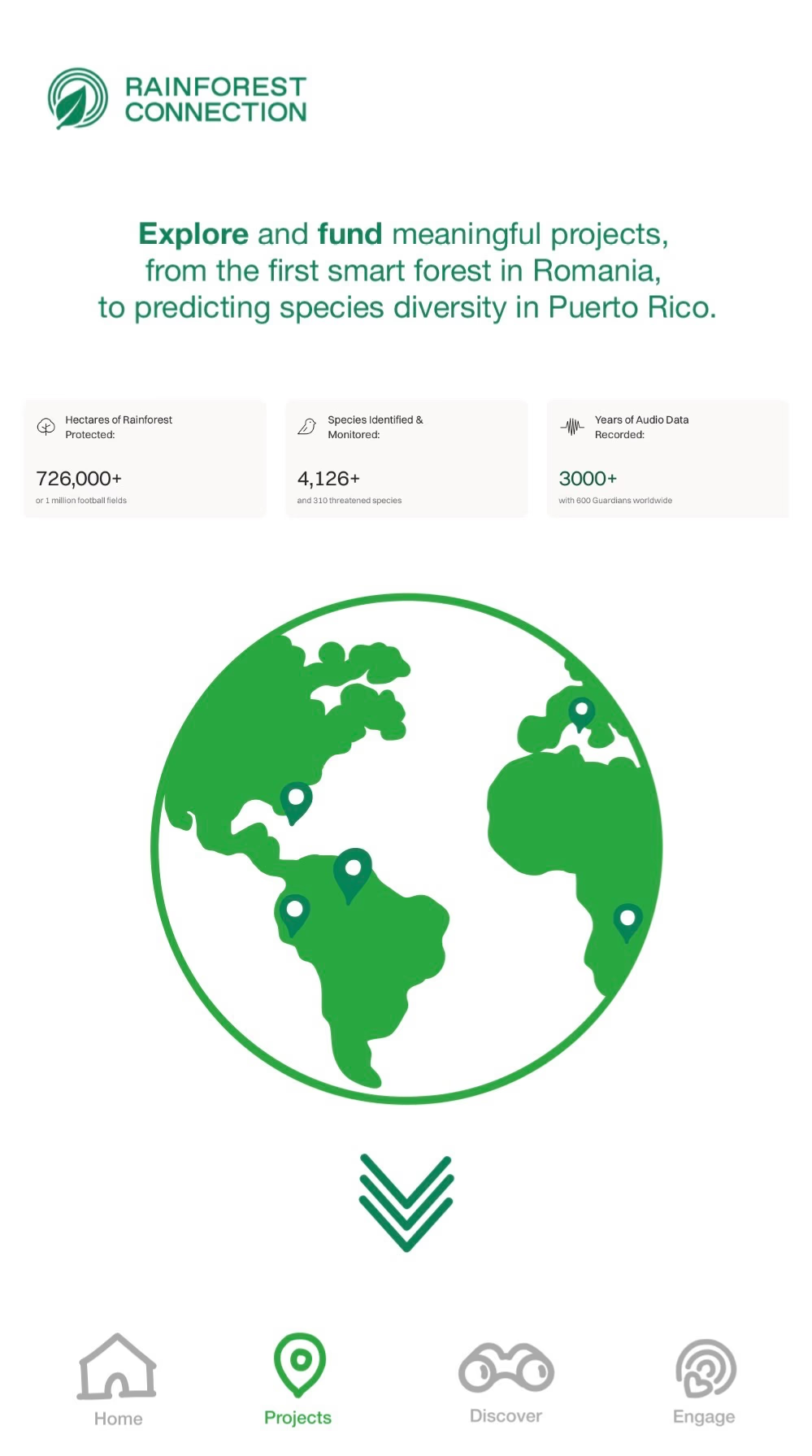
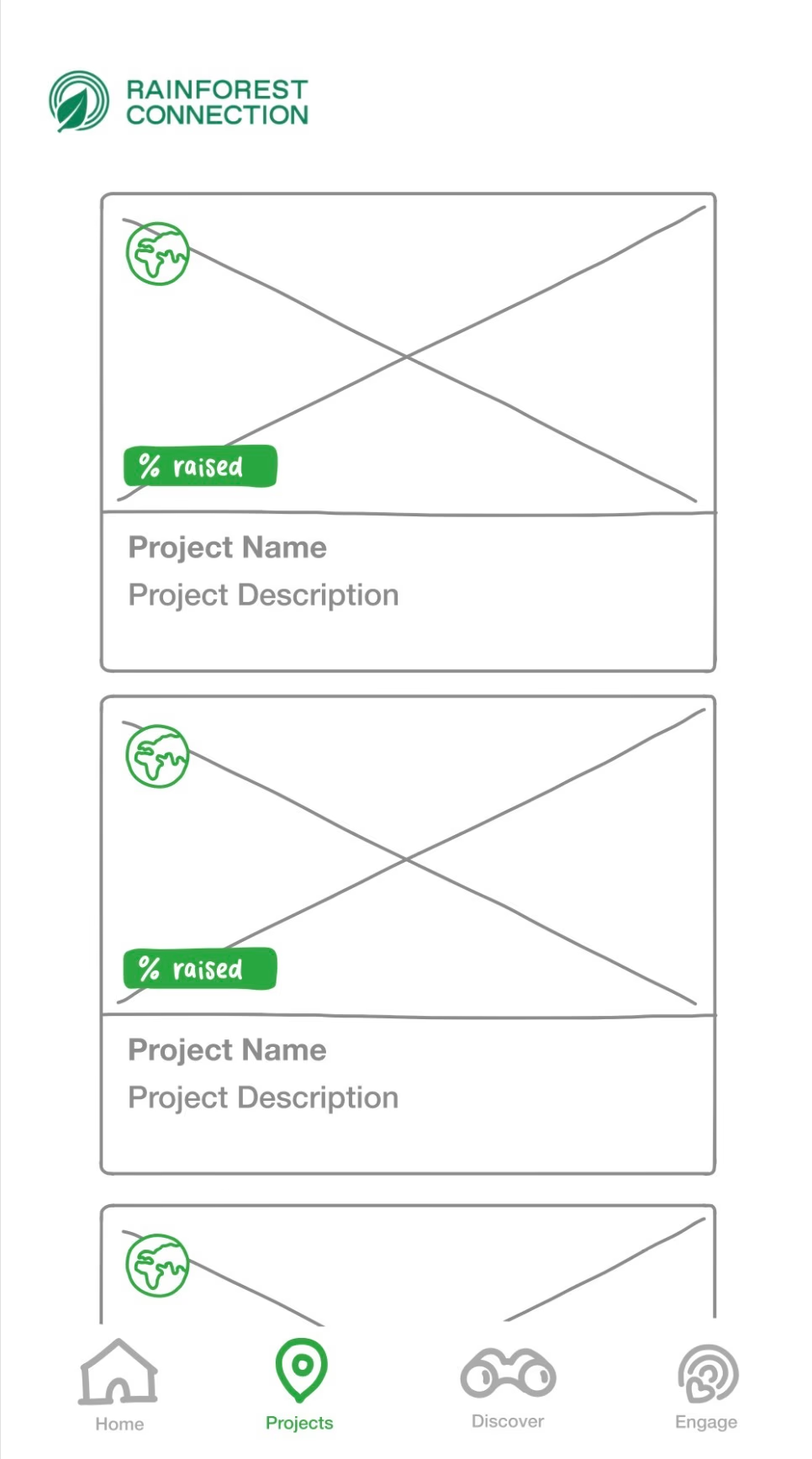
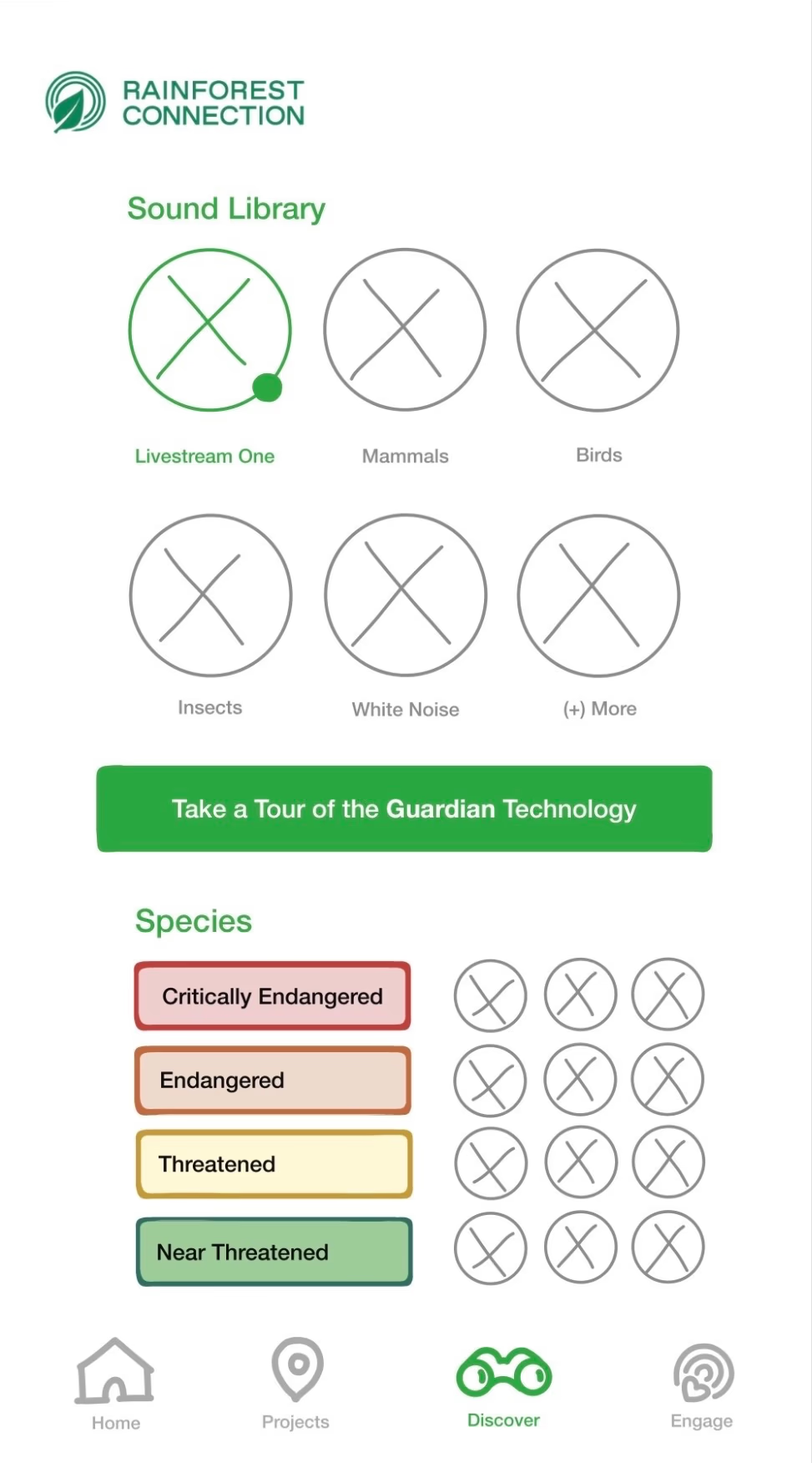
Early lo-fi explorations from weekly client working sessions
Process
Finding the product direction
Because the brief was still evolving, I treated our weekly client syncs as working sessions rather than status updates. Over time, repeated conversations helped us narrow in on a shared picture, moving from a single listening feature toward an ecosystem that could carry RFCx's voice the way their site and programs already try to.
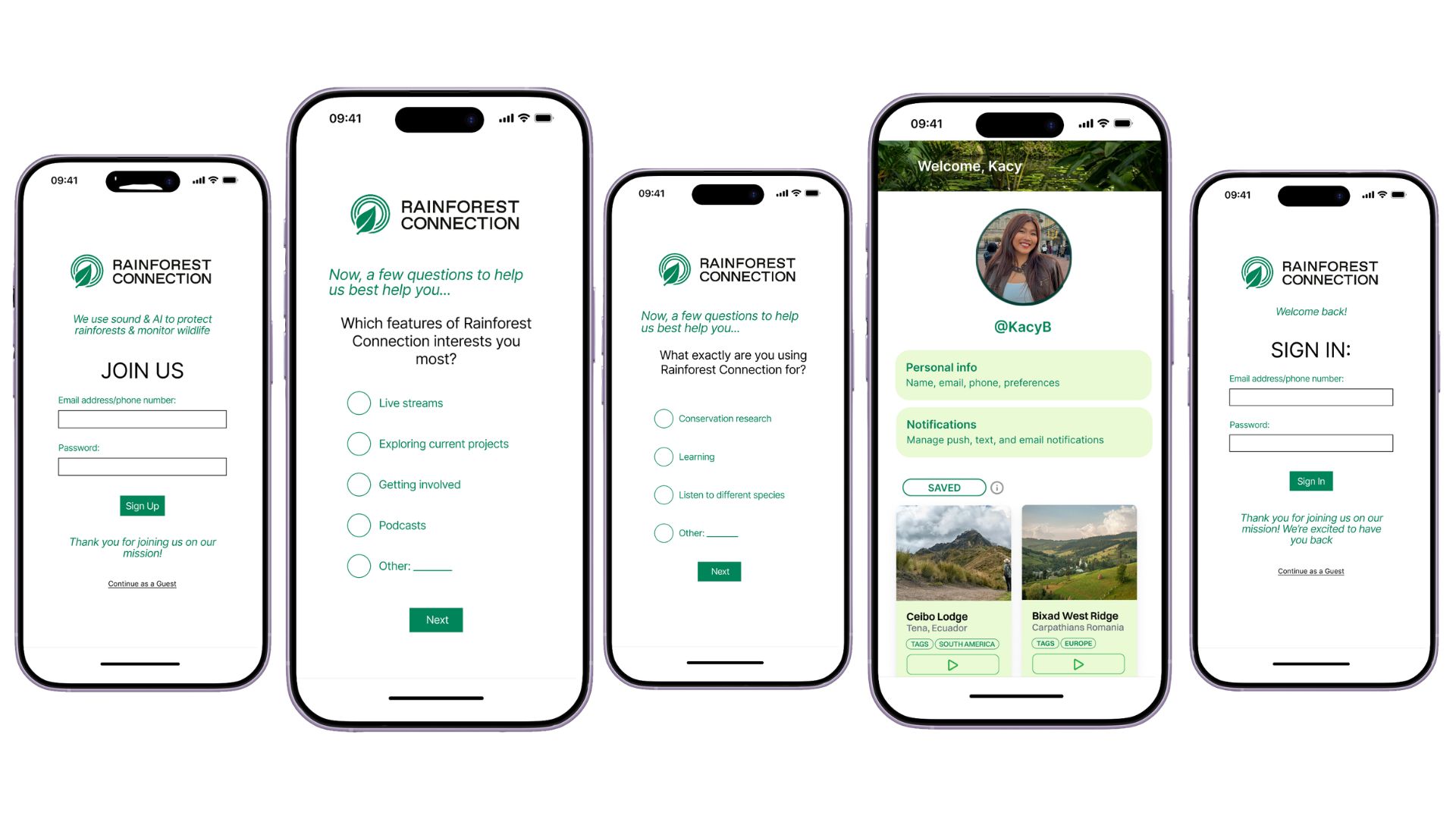
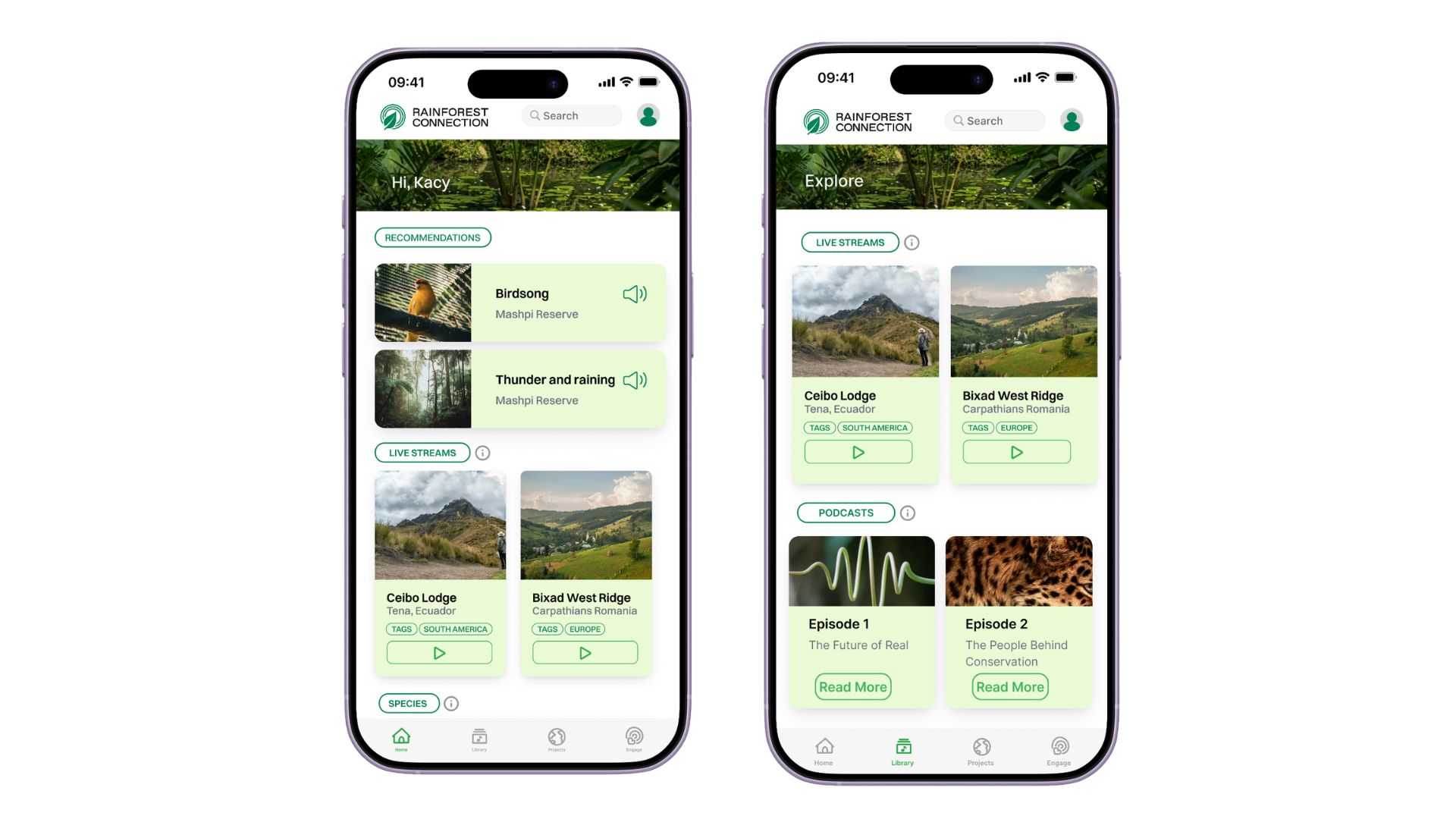
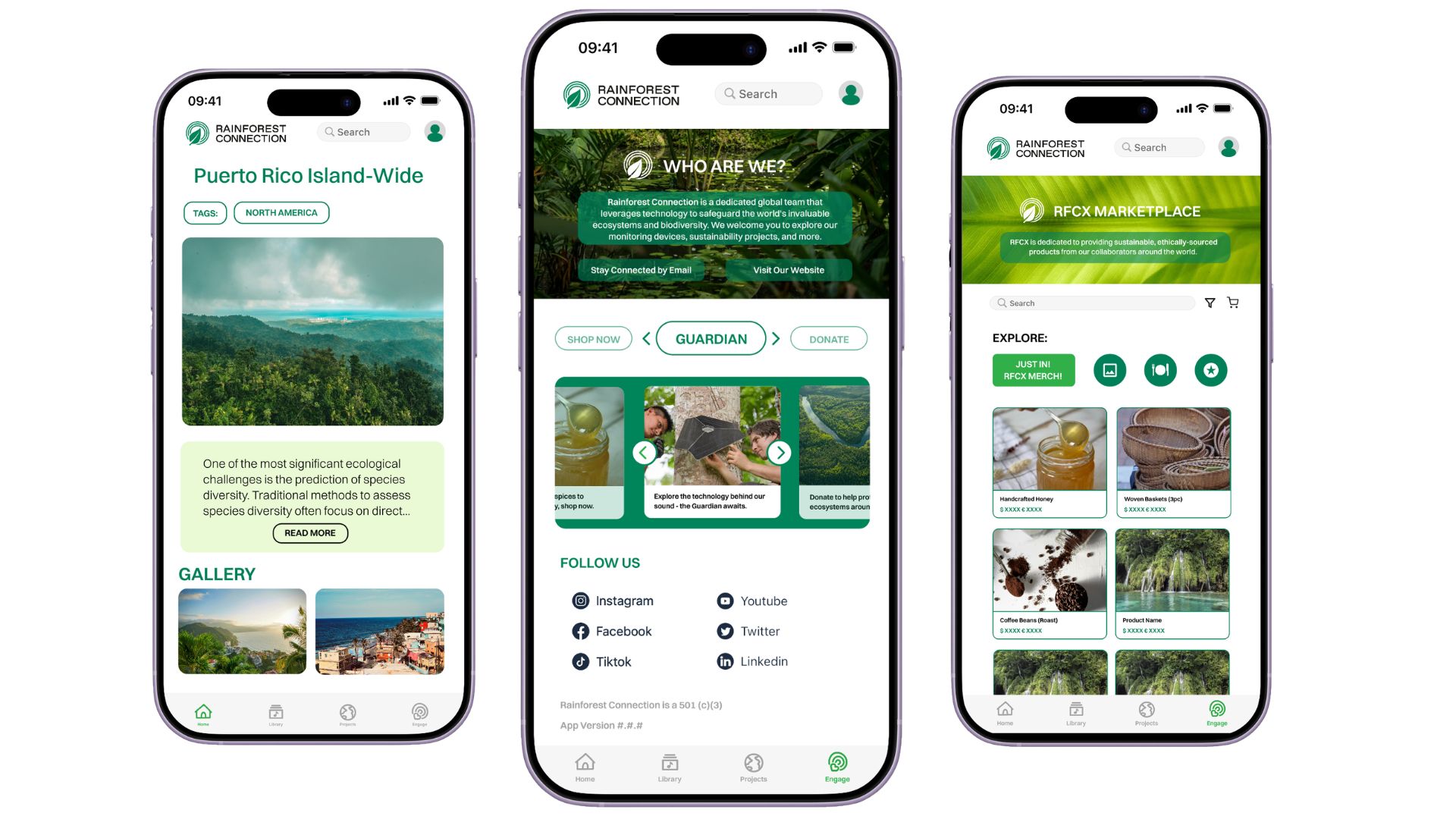
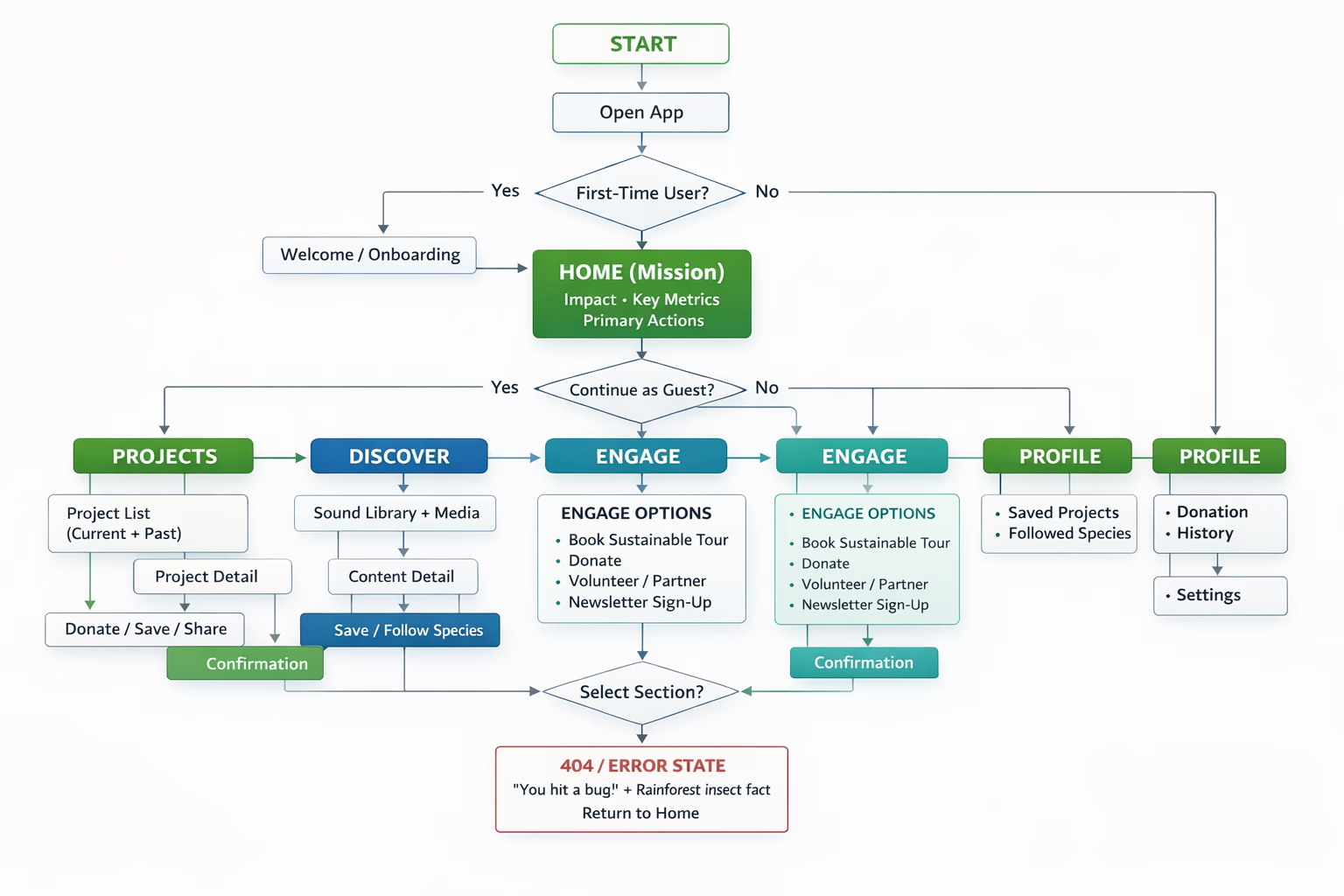
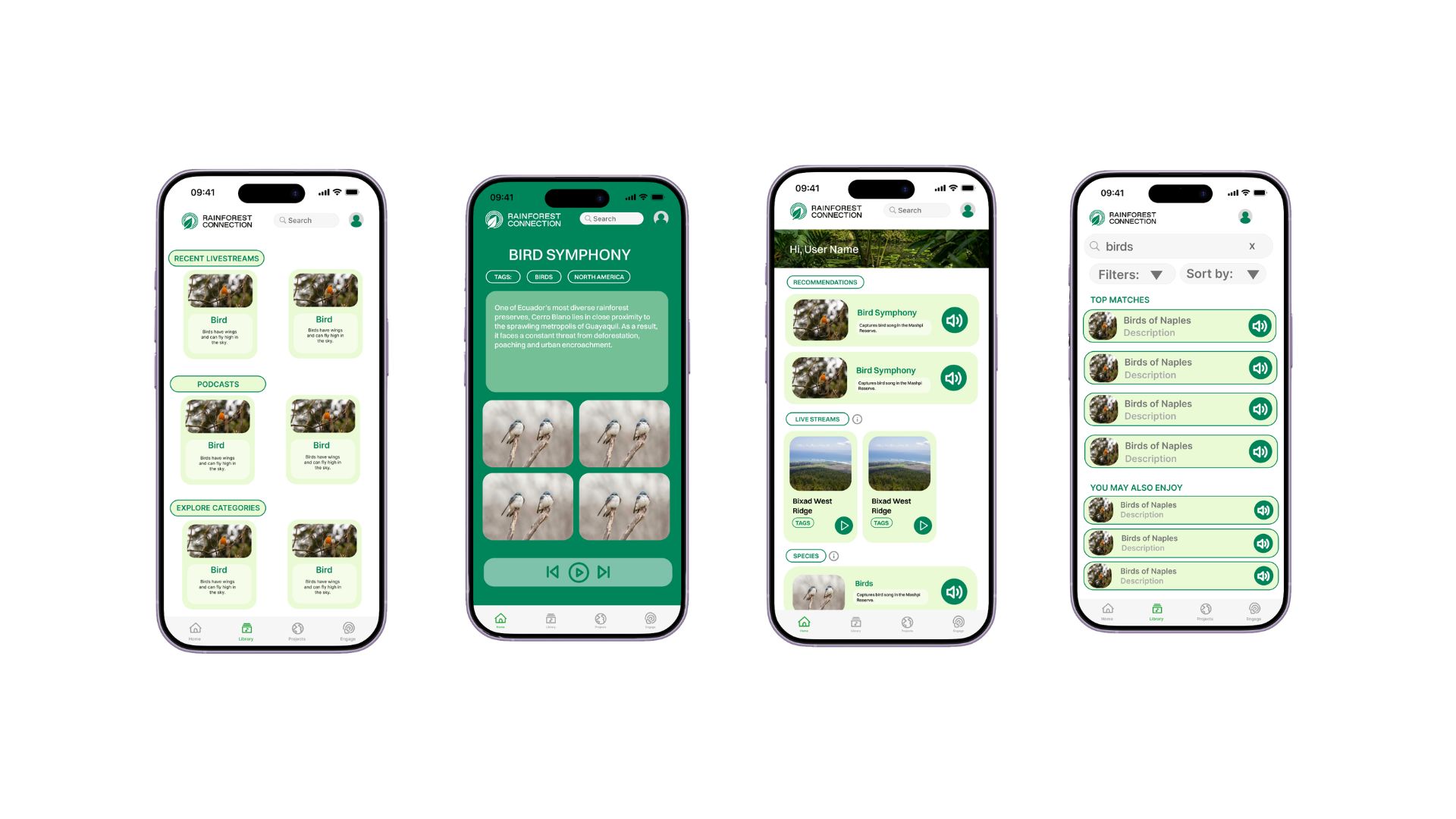
The frame I kept returning to had four homes for content and action. Home became mission central, with onboarding, personalization, and the numbers and stories that show impact. Library held live audio and, later, the podcast layer that arrived mid-project. Projects surfaced conservation stories and a clearer read on where funding lands. Engage brought together eco tours and the marketplace for Indigenous sellers the founder cared about. My goal throughout was to help someone move from noticing RFCx, to caring about the work, to taking a small action that still matters.
When stakeholders pulled in opposite directions
Midway through the project, our team presented a mid-fidelity direction that framed the app as a broader platform. The CMO and I had been developing that story together, while the CTO understandably advocated for a narrower scope focused on listening first, something easier to maintain, and distinct from everything else RFCx ships. Both perspectives made sense.
Our challenge was finding a version ambitious enough to carry the mission, but realistic enough for engineering to build and maintain. I spoke up for the wider story because I had watched users bounce between RFCx's mission content and the app without feeling like those experiences connected. At the same time, I wanted to honor engineering's need for something sustainable. Over several working sessions with the CTO, CMO, founder, and design team, we gradually aligned on a direction that felt true to RFCx's goals and executable on the ground. Once that clicked, the visual system finally had a stable foundation to build on.
Designing while the roadmap kept moving
The roadmap didn't stand still for long. The CMO introduced a podcast initiative, and the founder emphasized a marketplace to support Indigenous sellers. Both were important to RFCx's mission, and both arrived as the design was maturing. Rather than treating them as last-minute add-ons, I integrated podcasts into Library so they felt like part of the same storytelling experience as the live streams, and placed commerce within Engage alongside tours and volunteering so spending felt connected to participation rather than bolted on at the end.
Every pivot meant reopening navigation, hierarchy, and flows, which was demanding at times but also kept the work honest. The screens tracked the real conversations and decisions happening beyond Figma.
The marketplace made ethics unavoidable
Selling anything tied to Indigenous communities is not the same as opening a generic storefront, and I came into those conversations wanting to get it right. Together we kept returning to the same questions: who benefits first, how power sits between RFCx and sellers, and how conservation stays visible so commerce never drifts away from mission. The Engage treatments try to show spending as participation in stewardship, not a detached checkout moment.
Where we landed
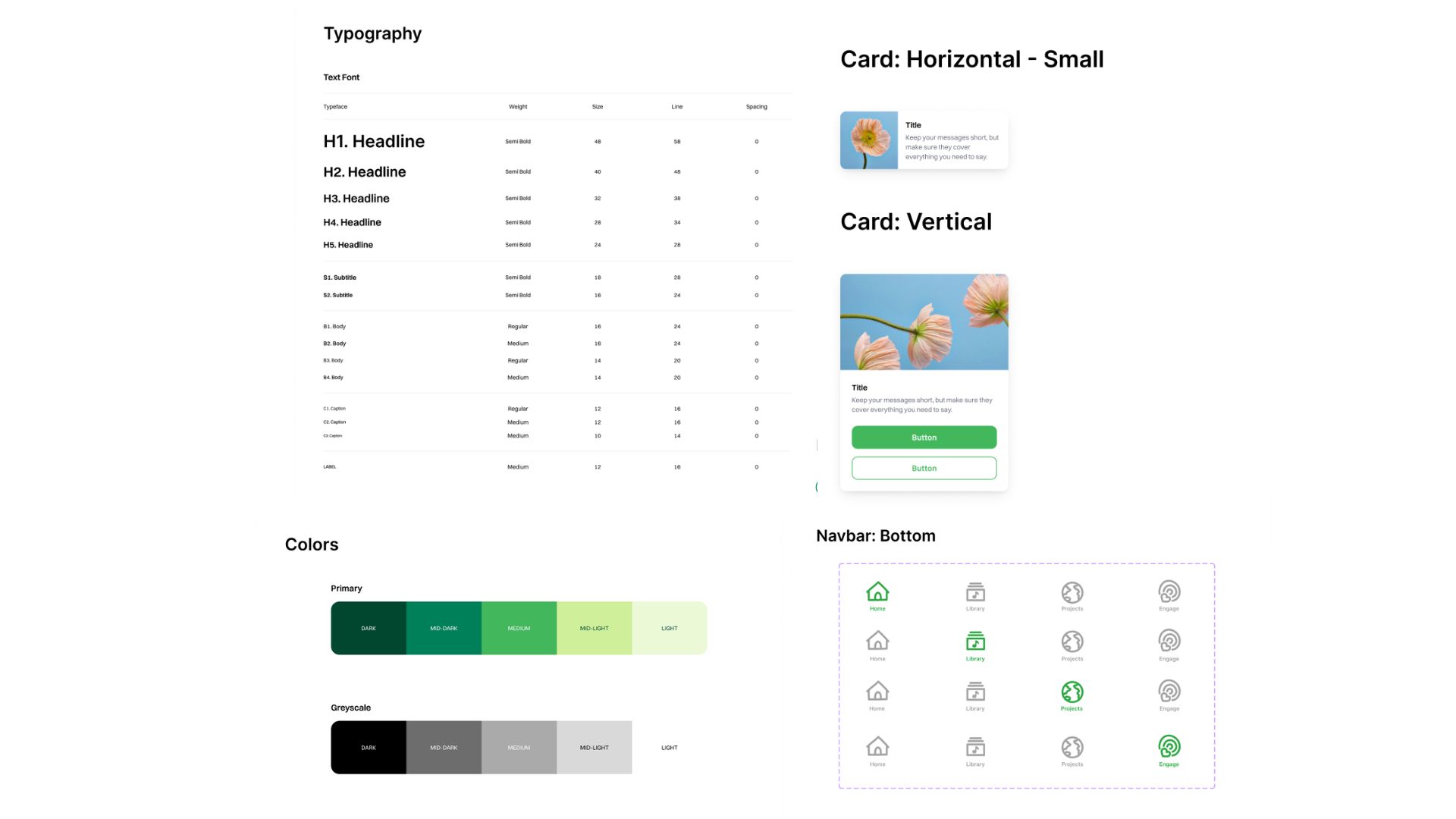
The redesign reads like one platform instead of a single fragile feature. Navigation runs across Home, Library, Projects, and Engage in a way that matches how RFCx talks about impact. Podcasts and programs share the same storyline, and Android flows gained breathing room and clearer hierarchy so the product feels steadier even when the network isn't.
- Discover something worth caring about, listen, then wander deeper
- Follow a project, learn what it funds, and decide whether to support it
- Use Engage to act in the real world and stay connected to community stories
Edge cases that keep the mission visible
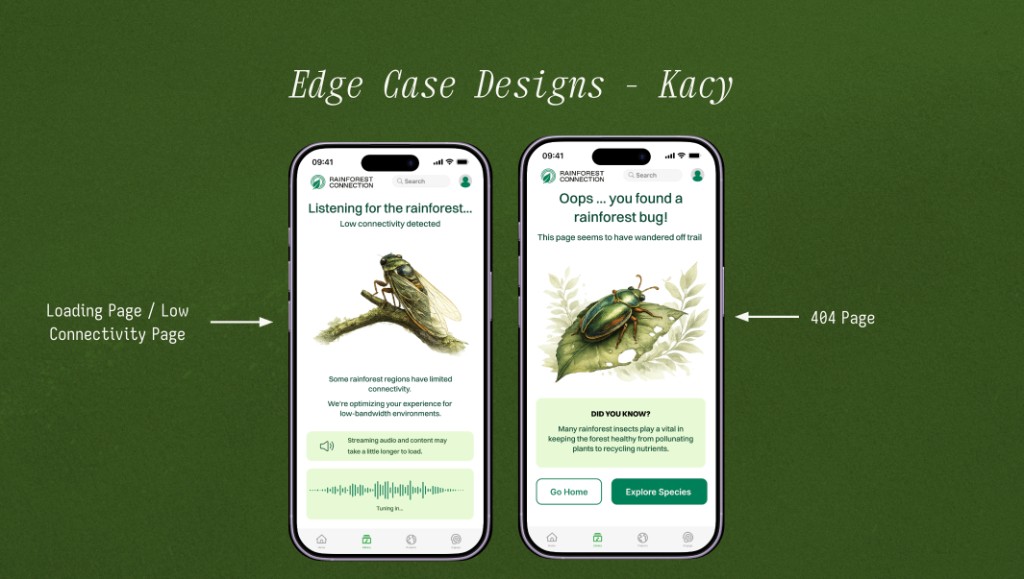
Happy-path screens only tell part of the story for an Android app meant to travel with listeners in uneven connectivity. I designed low-bandwidth and error states so a dropped stream or missing page still felt like RFCx, not a generic spinner.
The low-connectivity screen names what is happening (“Listening for the rainforest…”), sets expectations for slower loads, and keeps the listening metaphor alive with a tuning waveform. The 404 turns a dead end into a small lesson: rainforest insect facts, playful copy (“you found a rainforest bug”), and clear paths back to Home or species discovery. Both screens reuse the same header and bottom navigation so users never feel stranded outside the product.
Impact
- Helped the team define a shared product direction when the brief was still evolving
- Facilitated alignment across engineering, communications, and leadership
- Built an information architecture that moves users from awareness to action
- Delivered hi-fi screens and specs for a clear engineering handoff
Reflection
This project reminded me how much of design work happens before the final screens, in translation, listening, and slowly building shared language across teams. So much of this quarter was about turning vague instinct into something stakeholders could repeat, and staying in the conversation long enough for disagreement to become real alignment.
I left with more confidence navigating ambiguity, and a clearer sense of responsibility: when the people and places behind a product are real, design choices are never neutral. RFCx reminded me that interfaces quietly shape what power a tool is allowed to have in someone's life.
Final hi-fi screens
The hi-fi work is a set of static frames across Home, Library, Projects, and Engage. They cover onboarding, the storytelling layer, and how podcasts and the marketplace sit together once the system finally felt coherent.
Founder feedback
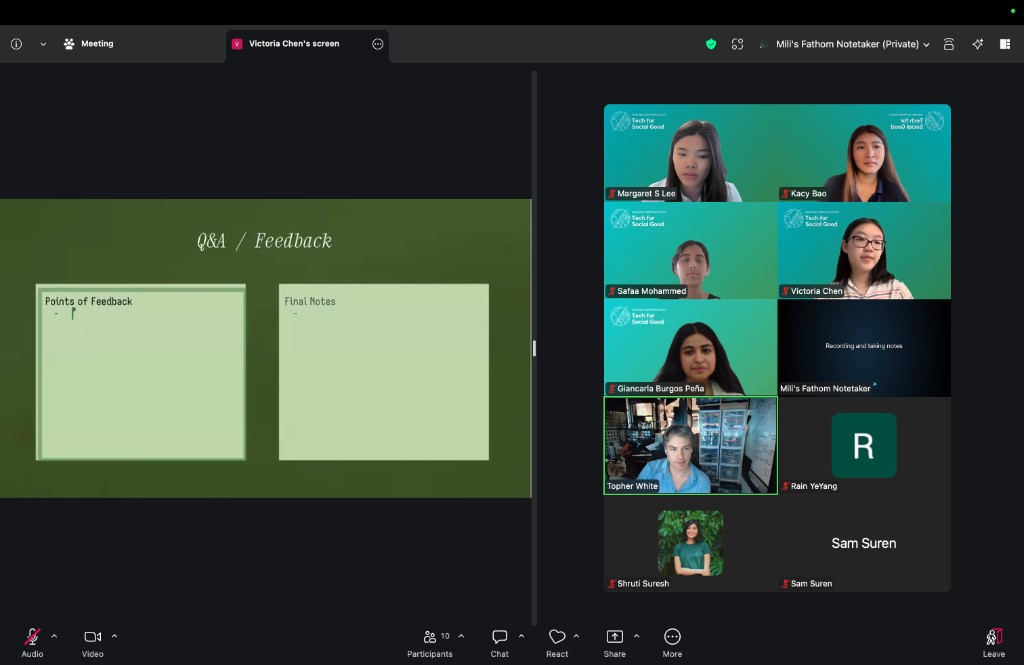
Before handoff, we presented the full direction in a live Q&A with Topher White, RFCx's founder, and Jon Bruno, the CEO. Topher had advocated early for Indigenous marketplace visibility and a platform worthy of RFCx's field work, and seeing edge cases alongside core flows helped him connect the vision to what engineering could actually ship. Both leaders were enthusiastic about the direction and the level of detail, and the designs are now with RFCx's tech team to implement.